
Commercial Japanese Knotweed Removal
Expert knotweed remediation for construction companies, developers, and local authorities throughout the UK. Legislation-compliant, site-specific, and backed by a 10-Year Insurance Backed Guarantee.
CAD Technicians providing detailed site plans for complex projects
Long-term monitoring and aftercare included where required
Insurance-backed guarantees available on all qualifying remediation works
Commercial Japanese Knotweed Removal Services
Japanese Knotweed on a commercial site is a serious issue. Left unaddressed, it can cause structural damage, trigger legal liability if it spreads to neighbouring land, and bring development programmes to a halt. The earlier it is identified and treated, the lower the impact on your project.
Zirkon’s commercial Japanese knotweed removal specialists have been successfully removing all traces of Japanese Knotweed from commercial sites across the UK for over a decade. Our removal techniques are fully compliant with current legislation, cost-effective, and tailored to the specific requirements of your site. With a proven track record and use of the latest technology, we deliver projects within budget and to your required timescales.
Choosing the right removal method first time is critical. The wrong approach means wasted effort, unnecessary cost, and delays to your programme. Zirkon identifies the correct method for your site from the outset, so remediation is completed efficiently and knotweed does not return.
Trusted by Major UK Developers & Contractors
We work with some of the UK’s leading house-builders, infrastructure developers, and utility providers, including:









Commercial Knotweed Removal Methods
Zirkon offers five commercial Japanese knotweed removal methods. Our specialists will assess your site and recommend the approach best suited to your project requirements, budget, and timescales.
Excavation
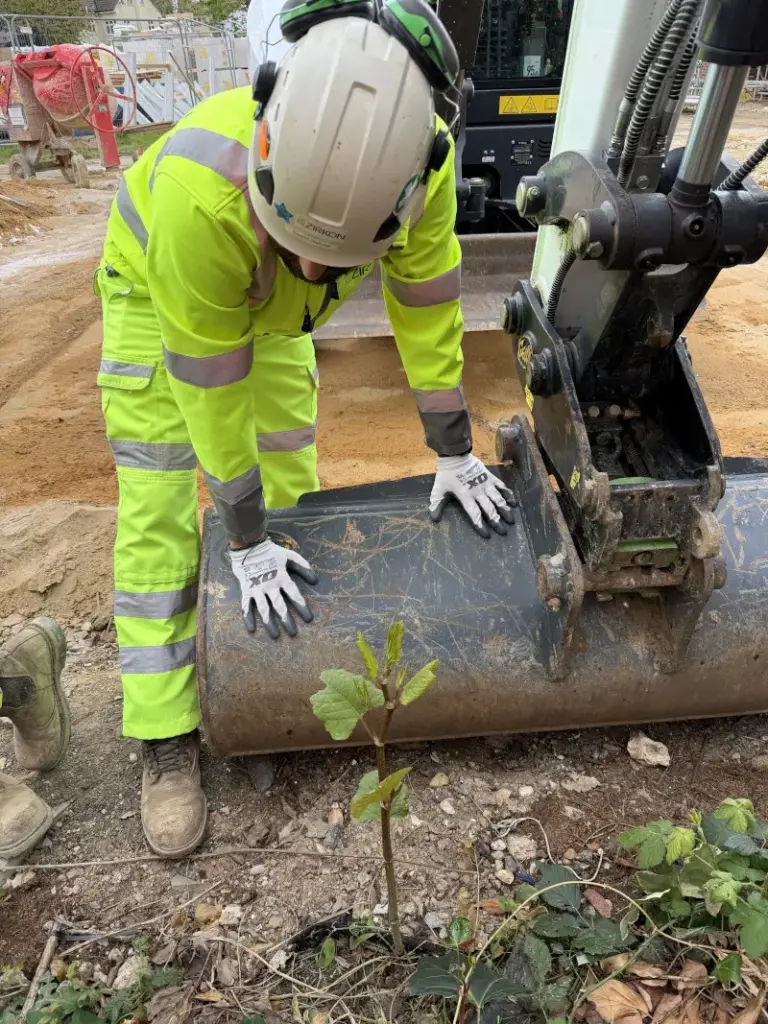
Commercial knotweed excavation involves the physical excavation and removal of contaminated soils from your site. It is the preferred method where the discovery of Japanese knotweed has halted a property development or construction programme, as it allows development to resume as quickly as possible once remediation is complete.
Excavation must be carried out by a recognised and experienced specialist to ensure compliance with legislation and that contaminated soil is disposed of at a licensed landfill facility. Following successful excavation and off-site disposal, a 10-Year Insurance Backed Guarantee is provided from a leading insurer. The guarantee becomes valid once the excavation works and monitoring period have been completed on-site. Development can then proceed as normal.
Herbicide Treatment
During herbicide treatment, herbicides are applied to the top and underside of the knotweed leaf. The herbicide is absorbed and carried into the plant, where it takes effect and kills the plant at its base. The time taken varies depending on site-specific factors, taking effect from as little as four days up to a few months.
Repeat applications cause the plant to become stunted and reduce its capacity to photosynthesise and regenerate. Over the course of a 3-5 year treatment programme, you can expect full control over the infestation. This method also provides an Insurance Backed Guarantee, valid once the treatment programme has been completed.
Soil Screening
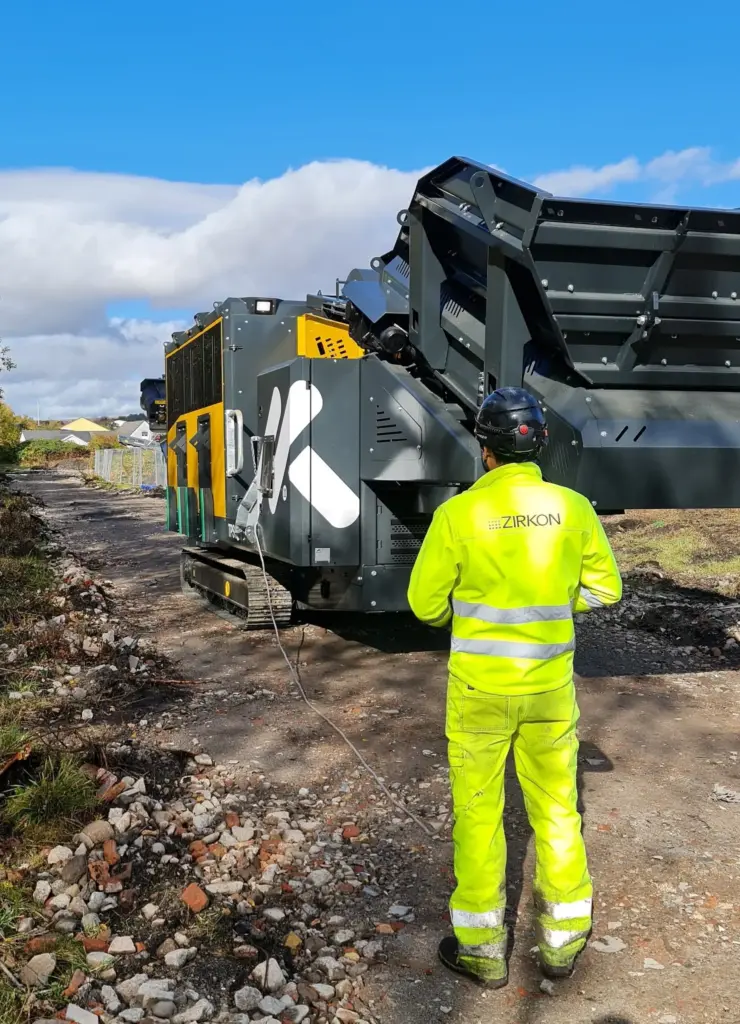
Soil screening involves the excavation and removal of Japanese knotweed material from the ground. A selection of different-sized metal screens and conveyors are then used to separate the knotweed rhizome (root material) from the soil. This method allows the cleaned soil to be reused on-site, reducing disposal costs and the volume of material requiring off-site removal.
Cell Burial
If your site has the space available we are able to excavate the infested soil and encapsulate it within a heat welded geo-textile membrane. A large burial pit is created (up to five meters deep) which is lines with a geo-textile membrane.
The clean soil is stockpiled while the infested soil is placed into the burial pit. The seams of the geo-textile membrane are heat welded to create a fully sealed “cell” with a minimum of two metres clean soil being placed on top of this cell.
Following successful excavation and on-site cell burial, our clients are provided with a 10-year Insurance Backed Guarantee, from a leading insurer, which becomes valid once we complete the cell burial works. Development and landscaping can commence within previously affected area/s, as soon as TP Knotweed Solutions have completed the cell burial works.
Relocation
Where space is available on a client’s site, contaminated soil containing Japanese knotweed can be excavated from the affected area and relocated to a different part of the site to be stockpiled. The stockpiled material is then treated on-site using herbicide treatments over a period of five years to kill any existing plants. This method requires a large site and clients should contact Zirkon early in the development process so that the appropriate approach can be advised and planned.
Zirkon’s CAD Technicians create detailed site plans showing the affected areas, proposed stockpile areas, and supporting information to assist with decision-making.
Why Choose Zirkon for Commercial Japanese Knotweed Removal?
Legislation-Compliant Disposal Throughout
Japanese Knotweed is classified as controlled waste under UK legislation. Its removal, transportation, and disposal are subject to strict legal requirements. All Zirkon works are carried out in full compliance with current legislation, with contaminated soil disposed of at a licensed landfill facility where required. Your project is protected from regulatory risk at every stage of the remediation process.
10-Year Insurance Backed Guarantee on qualifying works
All qualifying knotweed remediation works carried out by Zirkon are covered by a 10-Year Insurance Backed Guarantee, provided by a leading insurer. The guarantee becomes valid once the remediation works and any associated monitoring period have been completed on-site. This provides developers, lenders, and site owners with the long-term assurance they need to proceed with confidence.
The Right Method, Identified First Time
Not every site requires the same approach. Excavation is right for some projects. Herbicide treatment suits others. Soil screening, cell burial, or relocation may be the most practical and cost-effective solution depending on the size, layout, and programme of your site. Zirkon's specialists assess your site and identify the correct method from the outset. Getting this right first time avoids repeat visits, unnecessary spend, and programme delays.
Keep Your Project on Schedule
Japanese Knotweed does not respect programme deadlines. When knotweed is discovered on a live development site, the speed and accuracy of the remediation response directly affects how quickly works can resume. Zirkon mobilises quickly and works around your programme to minimise disruption. We understand that time is money on a commercial site, and our team is experienced in delivering remediation under time-critical conditions.
Sectors We Work With
Zirkon delivers land remediation and environmental services across a wide range of sectors, including:

Construction & Infrastructure
Clearing land for large-scale developments.

Residential & Commercial Development
Site preparation for housing projects.

Utilities & Energy
Managing vegetation near power lines, pipelines, and renewable energy sites.

Environmental & Conservation Projects
Supporting biodiversity and habitat enhancement.

Healthcare & Public Sector
Ensuring safe, clear spaces for public infrastructure.
Legal Compliance & Environmental Responsibility
Invasive species management in the UK is governed by a framework of legislation that places clear obligations on landowners, developers, and contractors. Working with a specialist who understands these obligations is not optional; it is essential.
What You Need to Know:
- The Wildlife and Countryside Act 1981 lists plant species that are banned from being planted, or otherwise caused to grow in the wild. Under Schedule 9 of the Act, it is a criminal offence to plant or allow listed species to spread. The UK Government introduced provisions in the Infrastructure Act 2015 to control invasive non-native species in England and Wales, establishing two levels of control: a species control agreement and a species control order.
- Invasive species cost the UK economy £1.8bn a year through damage done to natural biodiversity, disease transmission, and other harmful effects to the environment. For developers and landowners, unmanaged infestations carry the additional risk of enforcement action, delays to planning consent, and liability for spread to neighbouring land.
- Current legislation means that landowners and developers are responsible for ensuring that any invasive species on their property do not spread outside of the boundary. Zirkon’s fully compliant service ensures you meet every obligation, from initial survey documentation through to licensed waste disposal and long-term aftercare records.

Frequently Asked Questions
Yes. Japanese Knotweed is classified as a Schedule 9 invasive species under the Wildlife and Countryside Act 1981. It is also classified as controlled waste under the Environmental Protection Act 1990, meaning its removal, transportation, and disposal are subject to strict legal requirements. Allowing knotweed to spread to neighbouring land can result in legal action. Engaging a specialist contractor ensures your site remains fully compliant throughout the remediation process.
The correct method depends on several factors including the size and density of the infestation, your programme requirements, available space on-site, and budget. Excavation and cell burial are typically suited to live development sites where speed is critical. Herbicide treatment is a lower-cost option where a longer programme is acceptable. Soil screening and relocation are appropriate where on-site space allows. Zirkon’s specialists will assess your site and identify the most appropriate method from the outset.
Timescales vary depending on the method selected. Excavation, soil screening, and cell burial can be completed within days or weeks, allowing development to resume promptly. Herbicide treatment operates over a 3-5 year programme. Relocation involves an on-site herbicide treatment programme over five years. Zirkon will provide a clear programme timeline as part of your site-specific treatment plan.
Yes. All qualifying knotweed remediation works carried out by Zirkon are covered by a 10-Year Insurance Backed Guarantee from a leading insurer. The guarantee becomes valid once the remediation works and any associated monitoring period have been completed on-site. This provides developers, lenders, and site owners with the assurance required to proceed with confidence.
Yes. The presence of Japanese Knotweed on or adjacent to a development site can affect planning applications and mortgage lending decisions. Lenders and local planning authorities increasingly require evidence of a treatment plan and an Insurance Backed Guarantee before approving applications or releasing funds. Zirkon provides the documentation and treatment plans required to satisfy these requirements.
Discuss Your Commercial Knotweed Removal Requirements
If Japanese Knotweed has been identified on your site, contact Zirkon today. Our specialists will assess your requirements, identify the correct removal method, and provide a site-specific plan to keep your project moving.
